Nigeria is the largest oil and gas producer in Africa, and the Nigerian oil and gas market is projected to grow at a compound annual growth rate of more than 4.5% over the coming years. For anyone considering the sector — whether as an operator, supplier, or investor — understanding how the industry is structured is the first step.
Nigeria's Position in Africa's Oil and Gas Market
Nigeria holds some of the largest proven crude oil and natural gas reserves on the continent, with production concentrated almost entirely in the Niger Delta — Delta, Rivers, Bayelsa, Akwa Ibom, and neighboring states. That concentration has turned the region into the country's industrial heartland, with tank farms, refineries, and marine terminals built up around decades of production.
Upstream, Midstream, and Downstream
The industry is typically split into three segments, and each carries its own opportunities:
- Upstream — exploration and production, including oil rigs and drilling operations
- Midstream — transport and storage, including tank farms, vessels, and pipelines
- Downstream — refining and distribution, including refineries and refined petroleum terminals
The upstream segment currently anchors the market and is expected to keep expanding as new licensing rounds and modular refinery projects come online, but midstream and downstream activity — storage, refining, and distribution — is where a lot of the near-term commercial opportunity actually sits.
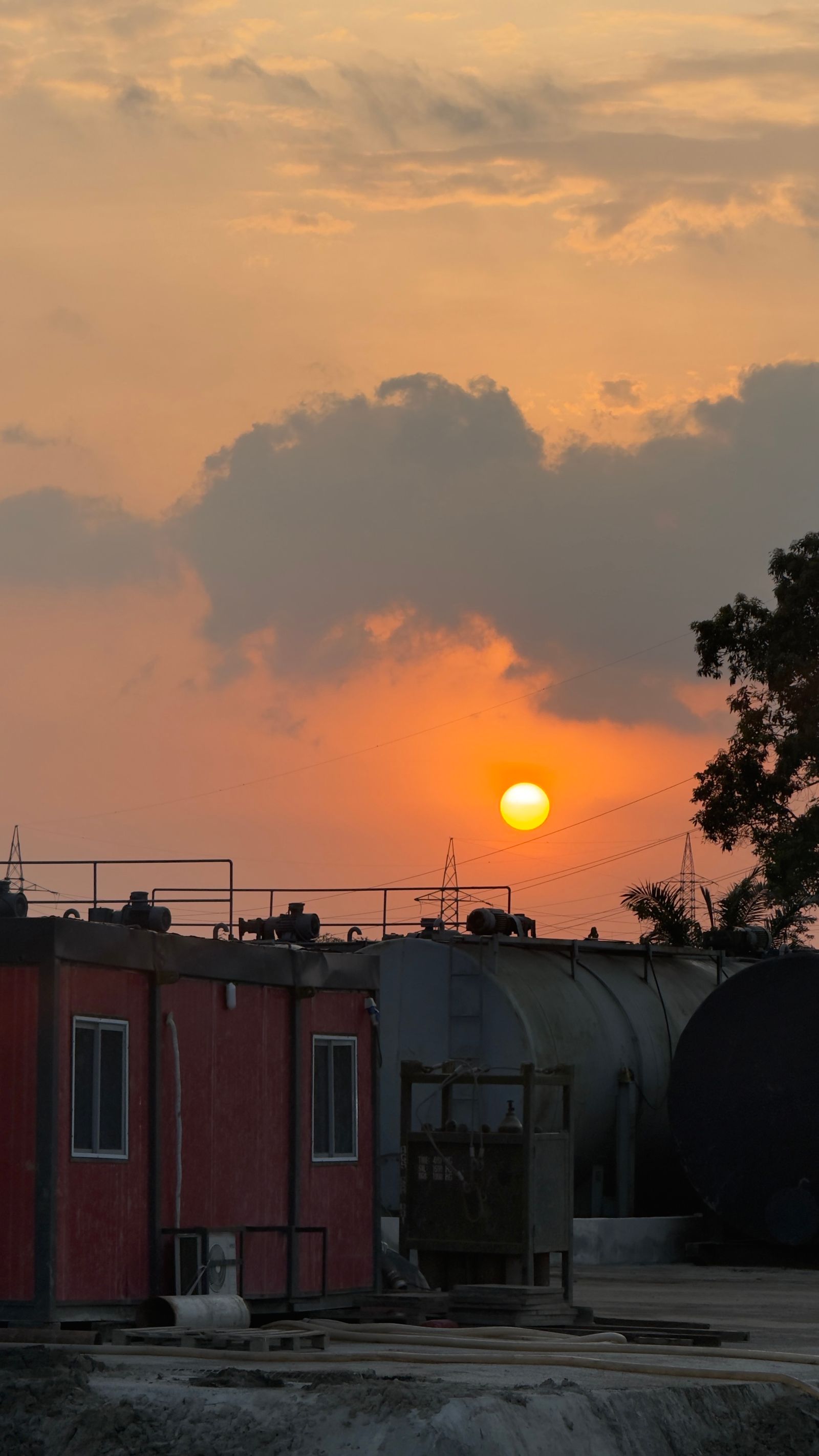
Where the Investment Opportunities Are
For investors and operators looking to enter or expand in the sector, several asset classes see consistent demand:
- Oil tank farms in choice locations
- Oil rigs, onshore and offshore
- Vessels for transport and offshore support
- Modular refineries for on-site processing
- Refined petroleum terminals
- Underground natural gas storage facilities
Why the Niger Delta Specifically
Beyond the reserves themselves, the Niger Delta offers the infrastructure the industry depends on — ports, marine access, and an established base of engineers, surveyors, and legal professionals who understand the sector's regulatory and land-acquisition requirements. That combination is difficult to replicate elsewhere in the country, which is part of why the region keeps attracting new entrants even as the broader industry matures.
How Bliss Assurance Agency Helps
We facilitate the sale and acquisition of oil and gas facilities across the Niger Delta — from tank farms to modular refineries — and have been key facilitators in major transactions, including tank farm sales for established operators in the region. If you're looking to acquire, lease, or dispose of an oil and gas asset, that track record is exactly what we bring to the table.
Is Nigeria still a good place to invest in oil and gas?
Yes. Nigeria remains Africa's largest producer, and the market is projected to grow at a CAGR of more than 4.5%, with particular strength in midstream assets like tank farms and modular refineries.
What's the difference between upstream, midstream, and downstream?
Upstream covers exploration and production (rigs, drilling), midstream covers transport and storage (tank farms, vessels, pipelines), and downstream covers refining and distribution (refineries, fuel terminals).
Why is the Niger Delta central to Nigeria's oil and gas industry?
It holds the bulk of the country's proven reserves and has decades of built-up infrastructure — ports, tank farms, refineries, and a skilled local workforce — that's difficult to replicate elsewhere in Nigeria.
Looking to acquire or lease an oil & gas asset?
Bliss Assurance Agency has facilitated major tank farm and facility transactions across the Niger Delta.
Get in Touch