Construction — traditional and modular alike — is one of the fastest-growing industries in the world, and that growth runs directly through the machinery behind it. For businesses across the Niger Delta, having reliable access to the right heavy-duty equipment isn't a nice-to-have; it's the difference between hitting a project deadline and losing the contract to someone who could.
Speed and Efficiency on Site
An excavator or bulldozer does in hours what a manual crew would take days to complete. On projects with tight deadlines — and in an industry where delays are expensive — the right machine for the job is often the single biggest factor in whether a project finishes on time.
Lower Cost Per Job Over Time
Heavy machinery carries a real upfront cost, but it typically pays for itself in labor savings and faster turnaround across multiple jobs. And for businesses that don't need a piece of equipment year-round, leasing — rather than buying outright — keeps that capital free for other parts of the business while still getting the job done.
Handling Work That Isn't Possible Manually
Some jobs simply aren't feasible without the right machine — moving large volumes of earth, lifting heavy loads to height, or laying and compacting road surfaces at scale. Equipment like scissor lifts, aerial work platforms, and road rollers exist because certain tasks have no safe or practical manual equivalent.
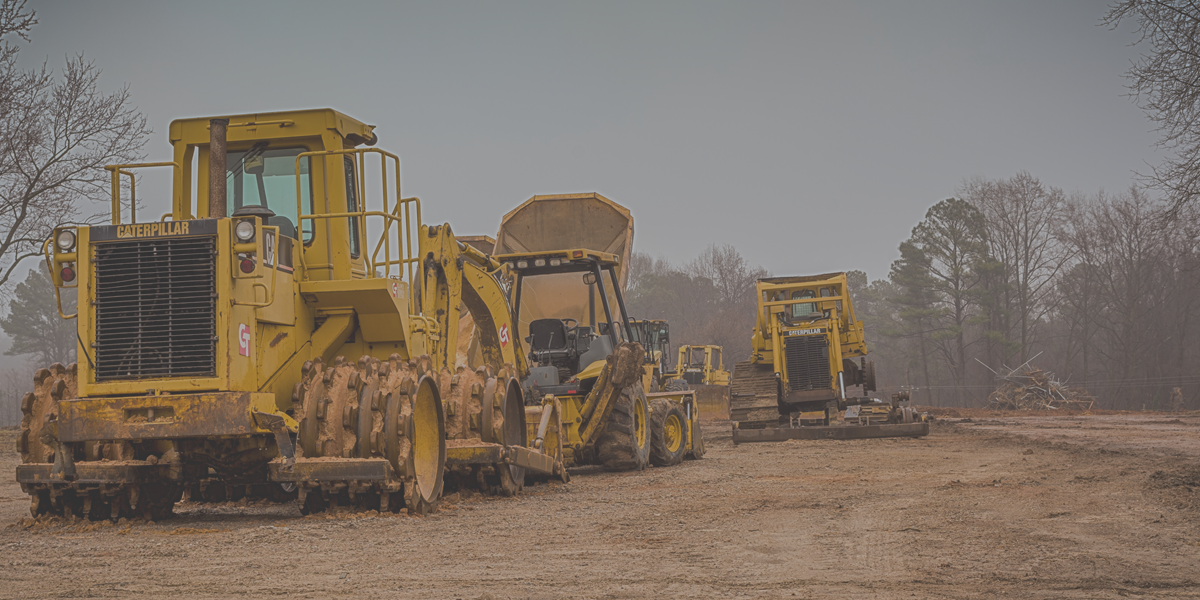
Common Equipment Categories
Depending on the project, that might mean:
- Excavators and backhoe loaders for digging and earthwork
- Bulldozers and graders for land clearing and leveling
- Compactors and road rollers for road construction
- Cranes, scissor lifts, and aerial work platforms for work at height
- Dump trucks and skid-steer loaders for material handling
Own It, or Lease It?
The right answer depends on how often the equipment will actually be in use. A contractor running continuous projects may get more value from ownership, while a business with occasional, project-specific needs is often better served by leasing — getting access to the right machine exactly when it's needed, without the maintenance and depreciation costs of owning it year-round.
How Bliss Assurance Agency Helps
We handle sales and lease of heavy-duty equipment — excavators, bulldozers, graders, and more — across the Niger Delta, sourcing reliable machinery so your project stays on schedule whether you're buying outright or leasing for a single job.
Should I lease or buy heavy-duty equipment?
If you need a machine continuously across multiple projects, ownership usually pays off over time. For occasional or project-specific needs, leasing gets you the right equipment without the maintenance and depreciation costs of owning it year-round.
What heavy-duty equipment is most commonly leased in Nigeria?
Excavators, bulldozers, graders, and backhoe loaders see the most consistent demand, alongside road rollers and compactors for road construction projects.
Does the right equipment actually affect project timelines?
Yes — significantly. Tasks like earthmoving, lifting, and road compaction that would take a manual crew days can be completed in hours with the right machine, which is often the deciding factor in whether a project finishes on schedule.
Need heavy-duty equipment for your next project?
We source and lease reliable machinery across the Niger Delta — talk to us about what your project needs.
Get in Touch